The Role of Youth and Junior Youth
Youth and Junior Youth in Building Society
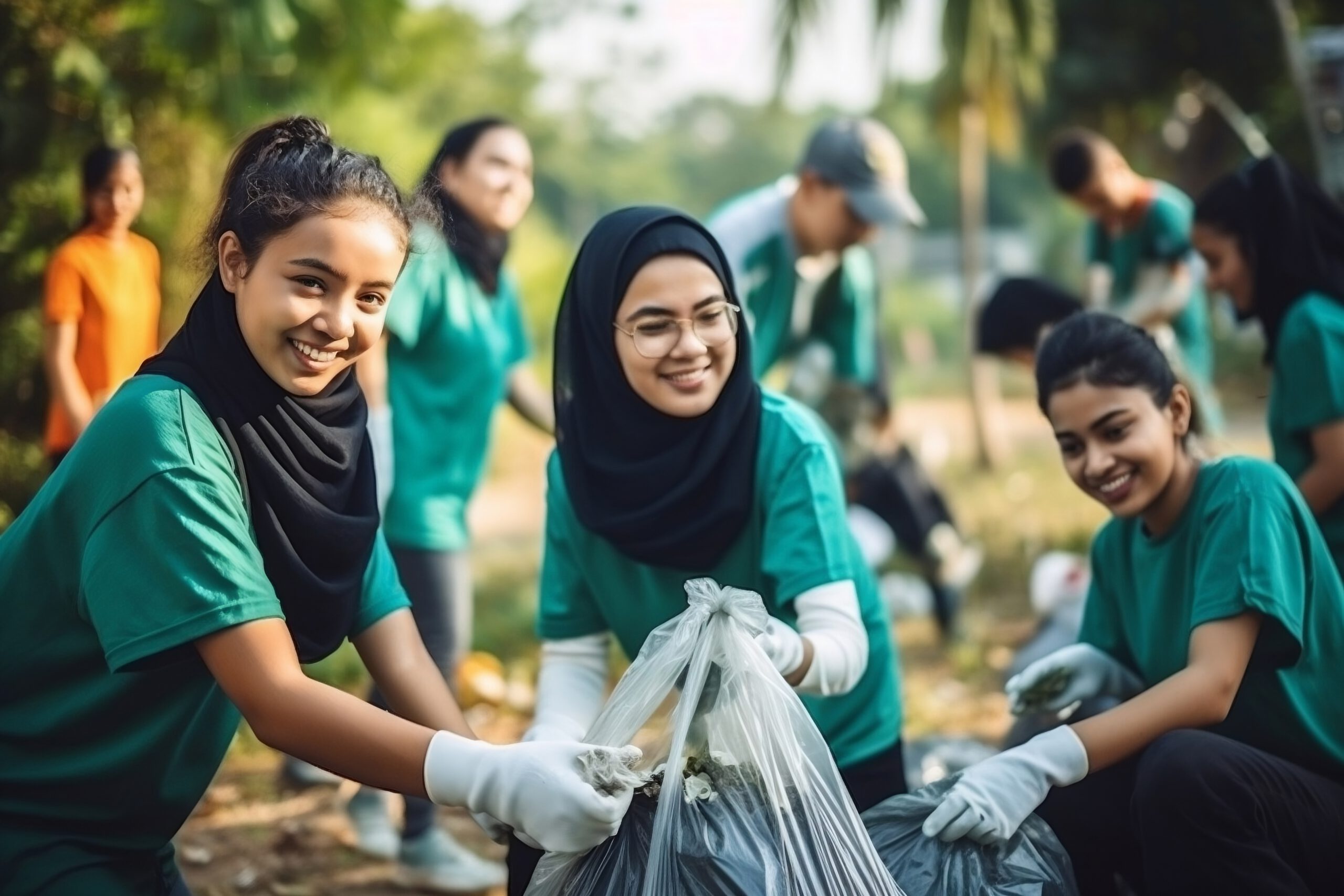
Youth and junior youth hold qualities such as altruism, a strong sense of justice, perseverance, and courage. At the same time, they frequently face social forces that can limit their ability to contribute to the betterment of society, including excessive materialism and self-interest that are prevalent in many parts of the world.
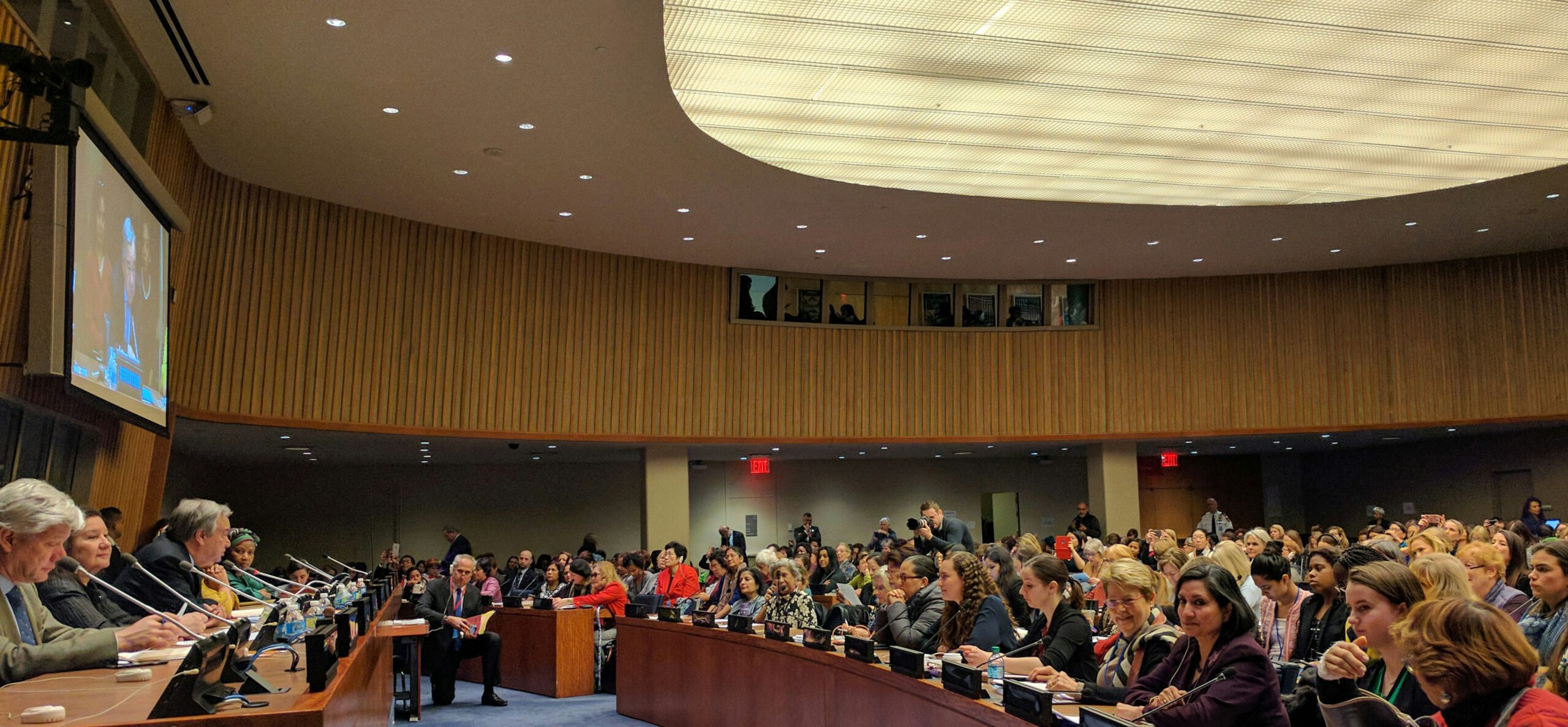
Young people are not only the future of society; they are also an essential part of its present. As active participants in their communities, the way they understand their own capacities, responsibilities, and role in society has great results for social progress. For this reason, the Bahá’í teachings place great importance on empowering youth to develop their talents and channel their energies toward service to humanity and the betterment of the world.
In this spirit, and in harmony with the country's efforts to empower youth intellectually and morally so that they may play a meaningful role in the development of society, we seek to create spaces for meaningful conversations where young people can explore their capacities, discover their purpose, and reflect on their role in contributing to the well-being and advancement of their communities.
“Man’s life has its springtime and is endowed with marvelous glory. The period of youth is characterized by strength and vigor and stands out as the choicest time in human life. Therefore you should strive day and night so that endowed with heavenly strength, inspired with brilliant motives and aided by His celestial power and heavenly grace and confirmation, you may become the ornaments of the world of humanity.”
‘Abdu’l-Bahá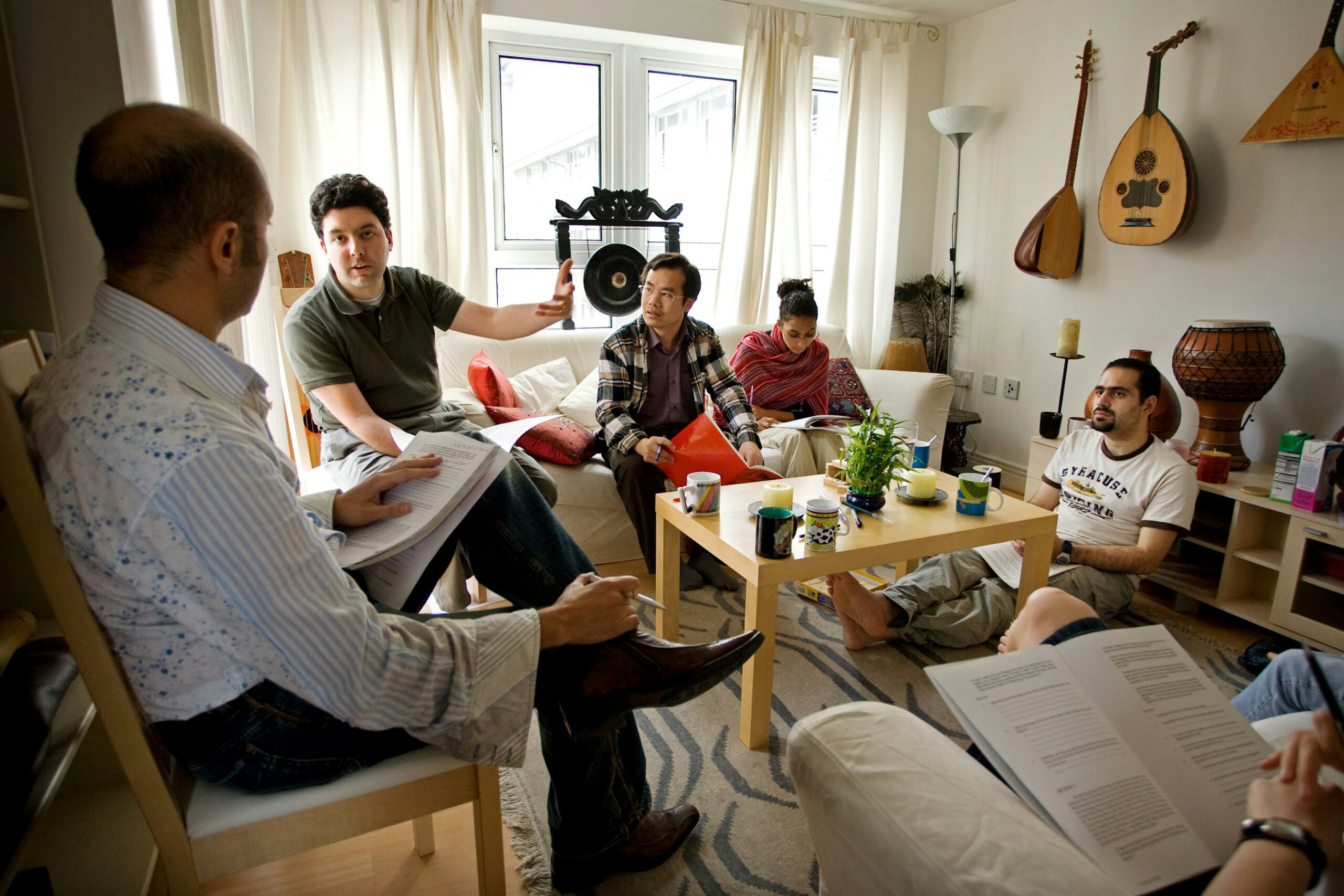
Youth Gatherings
Service to society provides a powerful opportunity for both individual growth and the development of the ability to contribute to social progress. Recognizing the sincere desire of many young people to make a positive impact in their communities, gatherings are organized for youth between the ages of 15 and 30. Through an interactive process of learning and reflection, participants explore the theme of selfless service to all members of society.
These gatherings seek to deepen participants’ appreciation of the unique role of their generation and encourage reflection on the qualities, attitudes, and characteristics needed to contribute constructively to the advancement of both their local communities and the wider world.
Empowerment of Junior Youth
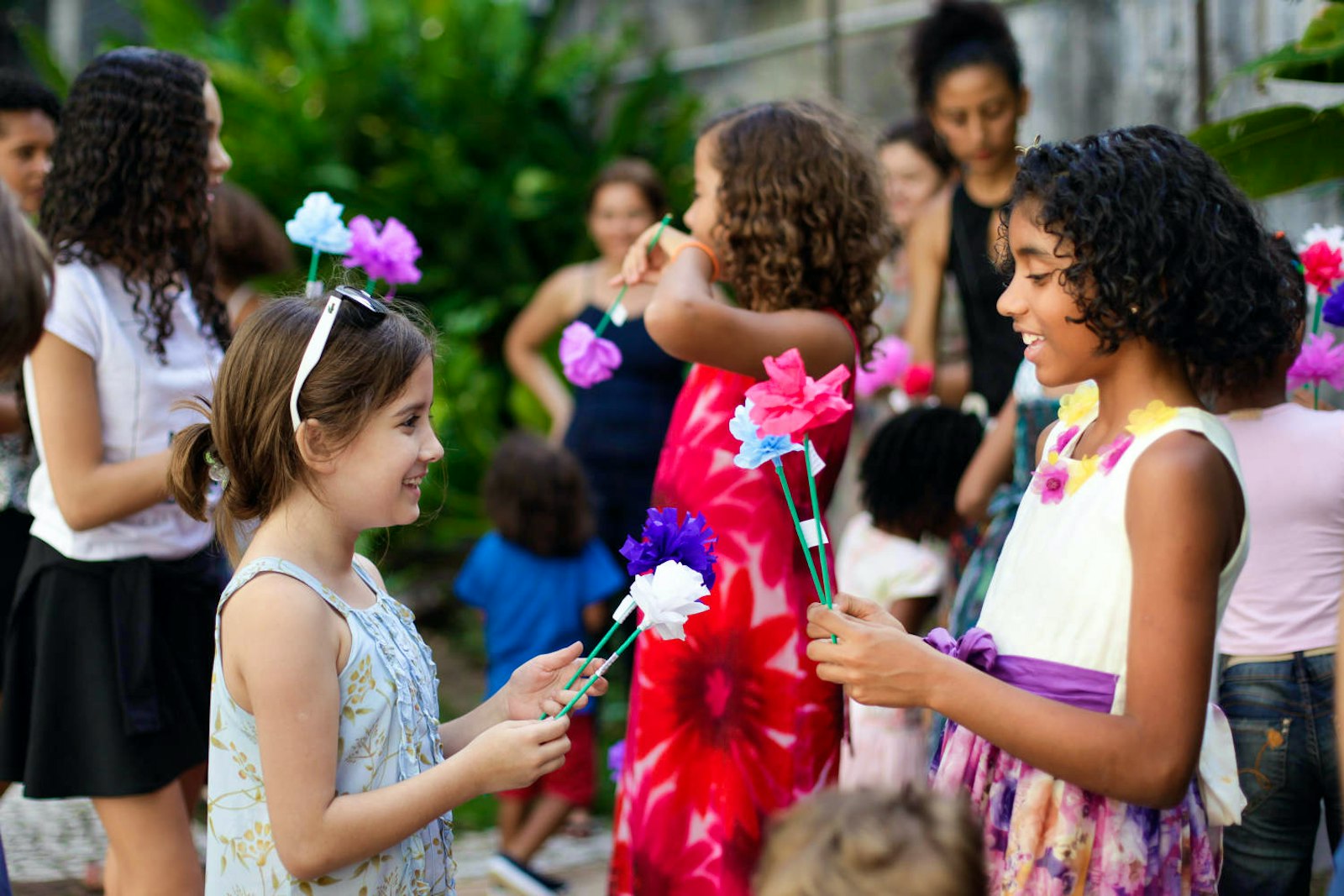
The years between the ages of twelve and fifteen represent a critical stage in an individuals life, marking the transition from childhood to youth. Young people in this age group, often referred to as junior youth, are no longer children, yet have not fully entered adolescence.
Junior youth possess great potential and a natural desire to grow, learn, and contribute to the well-being of society. As their powers of understanding expand, they begin to grapple with profound questions about themselves, their communities, and the world around them. During this brief but formative period, they develop ideas and attitudes that can have a lasting influence on the course of their lives.
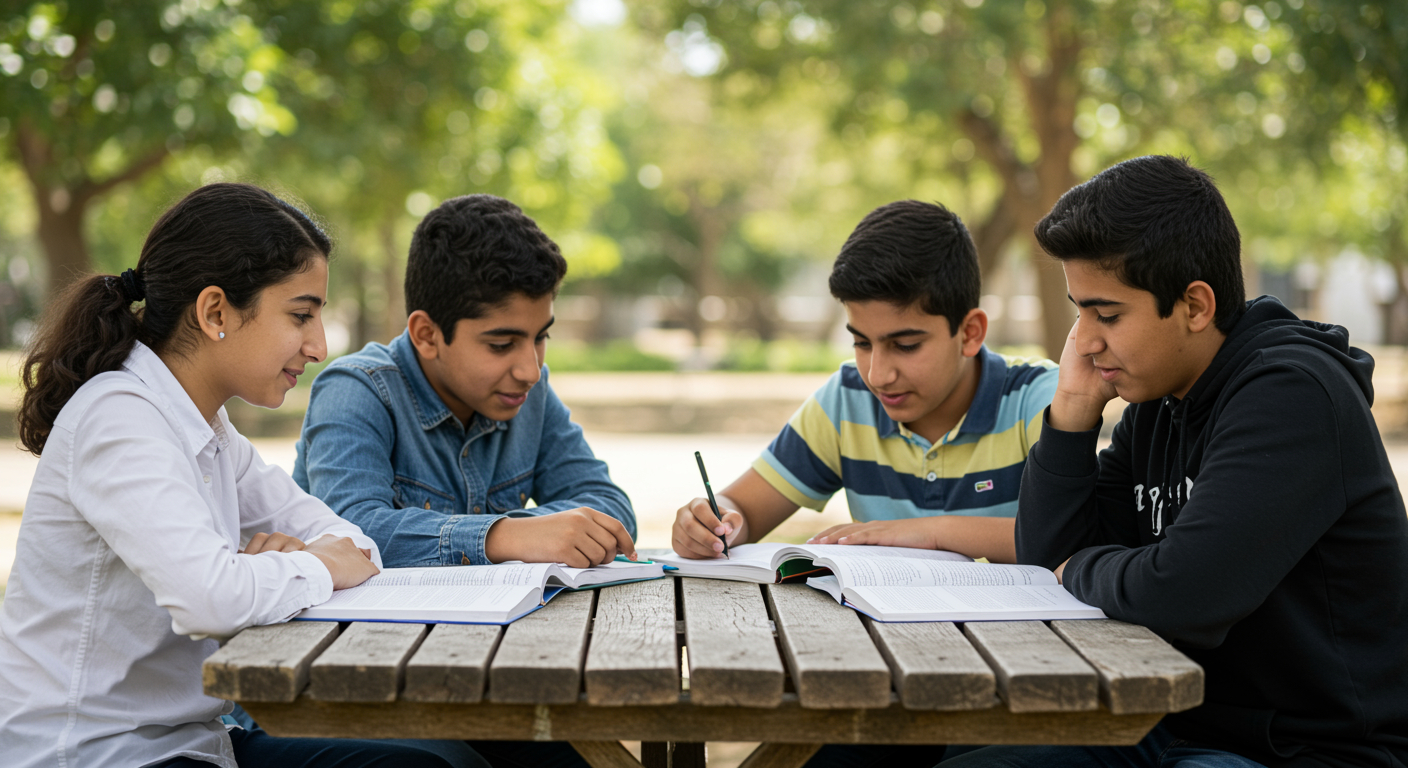
For this reason, junior youth benefit greatly from environments that nurture their noble qualities, encourage meaningful learning, and inspire purposeful action. Such spaces help them strengthen their moral foundations, sharpen their powers of expression and perception, and develop the capacity to recognize the positive and negative forces in society.
Through acts of service and community-based projects, junior youth gain practical experience in contributing to the advancement of their communities. This process strengthens their moral foundation, nurtures a hopeful vision of society, and deepens their commitment to serving the common good. In this way, they develop the capacities needed to participate meaningfully in the betterment of society and the progress of their nation.
Related Topics
Worship and Service
Family Life and the Spiritual Education of Children